No one can promise a first-place Google result. You can improve a page by answering a specific search well and making it easy for search engines to understand. Quick Elements includes tools for the page settings.

1. Find the searches that fit your page
Look for phrases people use when they need the answer, product, or service your page offers.
Steps to Follow:
- Start with broad terms related to your topic.
- Use Keyword Research Tools: Tools like Google Keyword Planner, Ahrefs, or SEMrush can help you find long-tail keywords with a good search volume and low competition.
Specific phrases can be more useful than broad ones when they match what you sell.
2. Plan Your Content Structure
Outline the questions your page needs to answer, then use headings to make those answers easy to find.
Steps to Follow:
- Create a Detailed Outline: Break your post into sections with clear headings and subheadings.
- Include Primary Keywords: Plan where your primary keywords will naturally fit into headings, subheadings, and body text.
- Think About User Experience: Ensure that your structure makes the post easy to read and navigate.
Use a list when the information is easier to scan that way.
3. Write the page
Answer the question directly and include the details someone needs to act on your answer.
Steps to Follow:
- Write clearly: Use the words your customers use and explain anything they might not know.
- Use the search phrase where it fits: Include it in a useful title or heading, without repeating it just for search engines.
- Include Internal and External Links: Link to other relevant content on your site (internal) and credible sources outside your site (external).
Write as much as the topic needs. Extra words do not make a thin answer more useful.
4. Check the page details
Give the page a descriptive title, address, and summary before publishing.
Steps to Follow:
- Title: Say what the page covers in a short, clear line.
- Description: Summarize what someone will find on the page.
- URL Structure: Keep your URL short, descriptive, and include the primary keyword.
- Header Tags (H1, H2, H3): Use header tags to structure your content. The H1 tag should include your primary keyword.
- Images: Describe useful images with alt text and keep file sizes reasonable.
Use the page’s SEO checklist to catch missing titles, descriptions, and other basic details.
5. Promote Your Content
Share the page where people who need it already hear from you.
Steps to Follow:
- Share on Social Media: Promote your post across your social media channels. Tailor your message for each platform.
- Email Marketing: Include your blog post in your email newsletter or send a dedicated email to your subscribers.
- Repurpose Content: Turn your blog post into different formats (e.g., video, infographic) and share across various platforms.
6. Analyze and Improve
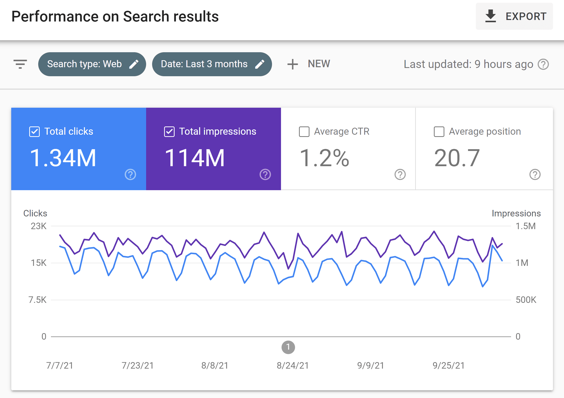
Check which searches bring people to the page and update it when the answer changes.
Steps to Follow:
- Monitor Analytics: Use Google Analytics and Search Console to track metrics like traffic, bounce rate, and keyword rankings.
- Check Backlinks: Use tools like Ahrefs to monitor backlinks to your post.